- Physical Copper Isn’t Romantic. It’s Heavy.
- The Operational Reality Check
- Copper ETF: Cleaner, But Not Innocent
- Safety Depends on What You Mean by Safe
- 2026 Demand Drivers for Copper
- Volatility Is the Real Beast
- The Illusion of Tangibility
- Liquidity Is Underrated
- Counterparty Risk Isn’t Zero Either
- Storage Costs Kill Returns Quietly
- Industrial Demand Drives Everything
- Beginners Shouldn’t Touch Physical Copper
- Copper vs Gold Safety Comparison
- So Which Is Safer?
- Navigating the 2026 Landscape
- Is it worth investing in copper ETFs?
- Which form of copper is best for investment?
- What are the risks of copper ETFs?
- What will copper be worth in 5 years?
- Which copper ETF is good to invest in?
- Why is Hindustan's copper share falling?
- Which copper ETF is good to invest in?
- Conclusion – Kripal’s Perspective
Let me save you some time.
If you’re seriously debating copper etf vs physical copper as if they’re equal options for a retail investor, you’re already mixing two very different games, and one of them isn’t meant for you.
I’ve watched this debate repeat every few years. Same excitement. Same mistakes.
Copper isn’t gold.
It’s wiring, plumbing, EV motors, transmission grids, and the guts of data centers that keep AI humming. It’s an industrial workhorse tied directly to global growth cycles, which means when economies sneeze, copper catches pneumonia. Hard. And fast.
Now here’s where people go wrong.
They assume holding the metal itself must be safer because it’s “real.” Tangible. Solid. No counterparty risk. Sounds comforting. Until you actually try to store half a ton of copper wire and realize you don’t run a warehouse.
Let’s talk reality.
Physical Copper Isn’t Romantic. It’s Heavy.
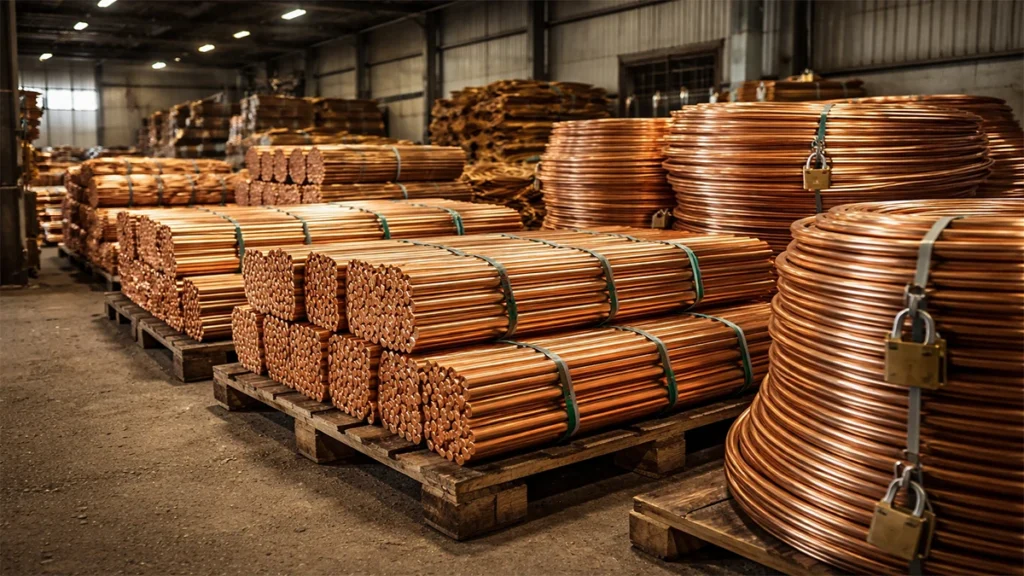
In 2011, I knew a guy in Gujarat who thought he’d cracked the system. He bought physical copper rods when prices were running hot after the post-2008 recovery. He stored them in a rented godown outside Ahmedabad. Thought he’d just wait for the next leg up.
Then prices dropped.
Not slightly. Brutally.
He couldn’t liquidate quickly. Buyers negotiated hard. Storage rent kept ticking. Theft risk became real. Insurance wasn’t cheap. What looked like “asset ownership” turned into operational headache.
That’s the part no one advertises.
Physical copper investment isn’t a shiny bullion coin you lock in a drawer. It’s bulky. Low portability. High storage cost. Security exposure. And resale isn’t instant like clicking “sell” in a demat account.
You don’t get emotional comfort when logistics eat your margin.
The Operational Reality Check
| Feature | Physical Copper | Copper ETF |
| Storage & Security | High Effort (Warehousing + Insurance) | Zero (Handled by Fund) |
| Liquidity | Low (Finding industrial buyers takes time) | High (Market hours trading) |
| Purity/Quality Risk | High (Requires verification at resale) | None (Standardized contracts) |
| Transaction Cost | High (Logistics + Premiums + Spreads) | Low (Brokerage + Expense Ratio) |
In the copper ETF vs physical copper argument, this is the first fork in the road: are you an industrial operator or a financial investor?
Because those are different species.
Copper ETF: Cleaner, But Not Innocent
Now let’s flip the table.
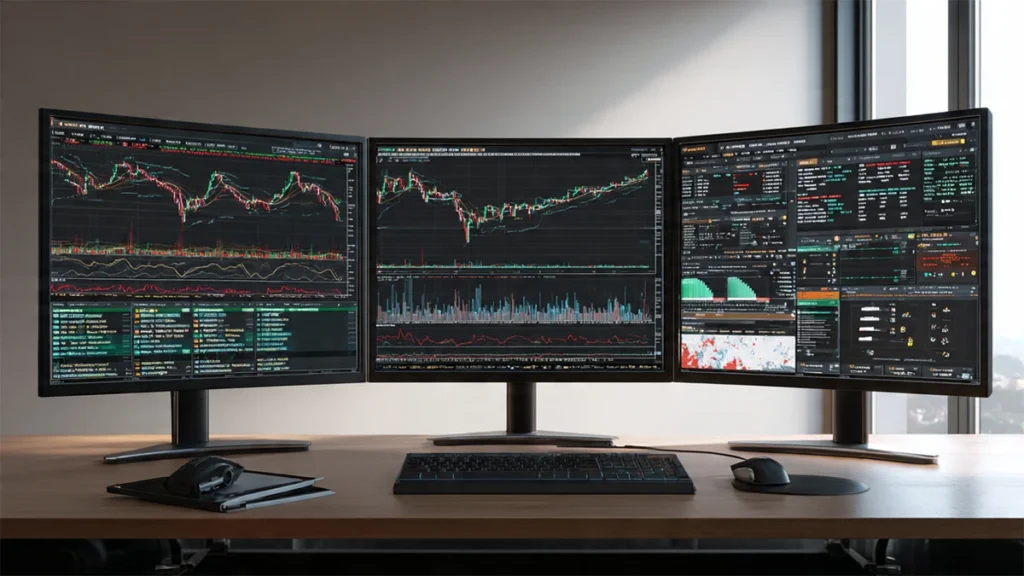
A copper ETF is basically structured exposure through futures contracts or mining equities. It’s paper copper. Financialized copper. You buy through a brokerage account in India or the US, and you get liquidity, transparency, and ease of execution.
Sounds perfect.
It isn’t.
Because ETFs introduce tracking error, expense ratios, and roll costs if they’re futures-based. If it tracks mining companies instead of spot copper, you’re not buying metal. You’re buying management quality, debt levels, geopolitical risk, and operational issues.
That’s a different bet.
In 2020, when global markets crashed during COVID, copper futures fell sharply, but certain mining ETFs dropped even more because equity markets were in panic mode. Correlation breaks when you need clarity.
That’s counterparty structure risk in action.
Still, for most retail investors, I’ll say this bluntly: ETF-based copper exposure is usually safer than physical copper ownership.
There. I said it.
Not because ETFs are risk-free. They’re not. They carry market risk, volatility, and economic cycle exposure. But they eliminate storage risk, theft risk, and illiquidity.
And liquidity matters.
When you need out, you need out.
Safety Depends on What You Mean by Safe
People ask, “Is copper ETF safer than physical copper?”
Wrong question.
Safe from what?
Theft? ETF wins.
Counterparty default? Physical wins.
Liquidity crunch? ETF wins.
Regulatory intervention? Depends on jurisdiction.
Let’s talk India for a second.
Commodity taxation is different from equity taxation. Physical copper held beyond 36 months may qualify for long-term capital gains treatment under Indian tax rules, but ETFs structured as equities or international instruments can have different tax implications depending on classification.
Tax isn’t trivial.
In the US, capital gains treatment varies based on whether you’re holding a futures-based ETF structured under commodity pools or a standard equity ETF. That impacts after-tax returns significantly.
Most investors ignore that.
Big mistake.
2026 Demand Drivers for Copper
| Sector | Usage | Market Impact |
| AI Data Centers | Power distribution & thermal management | New structural demand floor. |
| EV Ecosystem | Battery foils, motors, and chargers | High sensitivity to consumer growth. |
| Renewable Energy | Wind turbines and solar grid ties | 4x-5x more copper than fossil plants. |
| Global Infrastructure | Urbanization and grid modernization | Base demand linked to GDP. |
Volatility Is the Real Beast
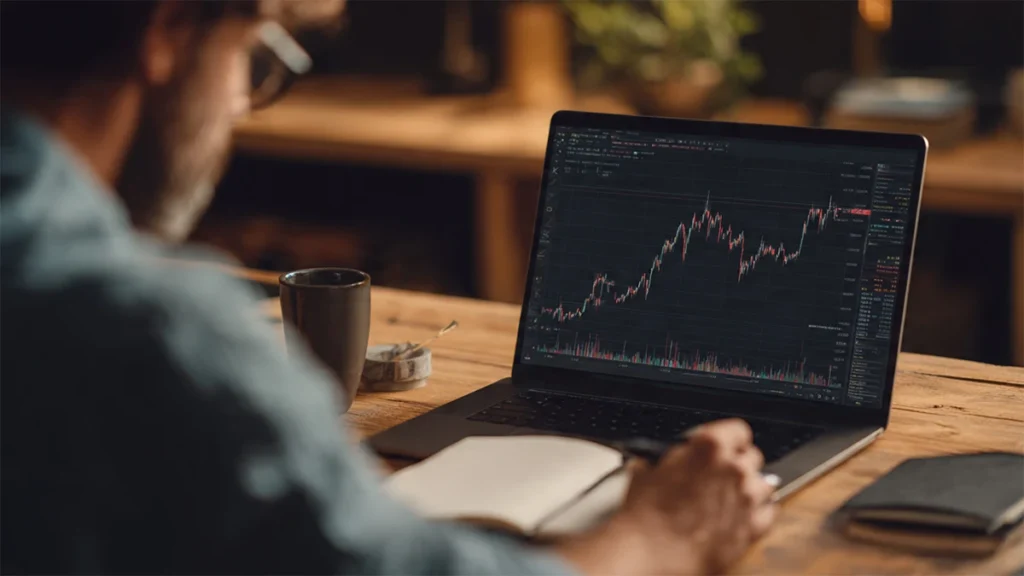
Copper isn’t a “safe haven” like gold. It’s often called “Dr. Copper” because it diagnoses economic health. If global manufacturing slows, copper falls.
Hard.
In 2008, copper dropped over 50% during the financial crisis. In 2022, tightening monetary policy crushed commodity rallies again. Anyone holding copper—physical or ETF—felt it.
Safety in copper is relative.
You’re not avoiding volatility. You’re choosing how to experience it.
Physical holders face pricing pressure plus operational friction.
ETF holders face market swings plus financial structuring risk.
Pick your poison.
The Illusion of Tangibility
I get the emotional angle.
Owning metal feels solid. You can touch it. There’s no “paper” between you and the asset.
But let’s be honest.
If your goal is price exposure, not industrial usage, then physical copper ownership is inefficient for most individuals in both India and the US.
It’s not gold coins.
It’s industrial inventory.
And inventory belongs on balance sheets of manufacturers, not in your spare bedroom.
Liquidity Is Underrated
This is where I’m slightly biased.
I value liquidity above almost everything in financial markets. If you can’t exit fast, you’re trapped.
And trapped capital is dangerous.
With a copper ETF, you click sell. Settlement happens. Funds move. Done.
With physical copper, you negotiate. Arrange transport. Accept a spread below market. Maybe deal with quality inspection. Time passes. Price moves again.
That gap is risk.
Unpriced risk.
And retail investors underestimate it constantly.
Counterparty Risk Isn’t Zero Either
Now let’s not pretend ETFs are saints.
If you buy a futures-based copper ETF, you’re exposed to the fund structure, clearing houses, and derivative mechanics. Extreme market events can distort pricing. Tracking error widens during stress.
In 2018, a US-based commodity ETF experienced pricing dislocation due to futures roll mechanics when markets were volatile. It wasn’t catastrophic, but investors didn’t get perfect spot tracking.
Perfection doesn’t exist here.
You’re choosing which imperfection you can tolerate.
Storage Costs Kill Returns Quietly
Physical copper investment risks include:
- Warehousing expense
- Insurance
- Theft
- Quality degradation
- Transport
Each one chips away at returns.
ETFs charge expense ratios. That’s transparent. Usually under 1% annually for many commodity funds.
Physical storage costs can quietly exceed that.
And you won’t even notice until margins thin.
Industrial Demand Drives Everything
Let’s zoom out.
Copper demand is tied to EV expansion, renewable energy grids, infrastructure buildout, and data centers. When AI server farms expand, copper demand increases. When China slows construction, copper suffers.
This isn’t speculation.
It’s supply and demand physics.
If you’re betting on long-term electrification trends, ETF-based copper exposure lets you align capital with that theme without becoming a metal warehouse operator.
That’s rational.
Beginners Shouldn’t Touch Physical Copper
I’ll be blunt again.
If you’re a beginner asking, “Should I buy copper ETF or physical copper?” the answer is almost always ETF.
Physical copper ownership only makes sense if:
- You’re an industrial buyer hedging input costs.
- You have storage infrastructure.
- You understand commodity logistics.
Otherwise, you’re romanticizing metal.
And romance is expensive.
Copper vs Gold Safety Comparison
Gold behaves differently. It’s a monetary hedge. Central banks buy it. Investors hoard it during crisis.
Copper doesn’t get that treatment.
Copper rises with growth optimism and falls with recession fears. That makes it cyclical, not defensive.
So if someone’s comparing copper ETF vs physical copper vs gold ETF for safety, they’re mixing asset classes.
Copper is growth-sensitive.
Gold is fear-sensitive.
Know the difference.
So Which Is Safer?
Here’s my honest, slightly impatient answer.
For a retail investor in India or the US who wants exposure to global copper prices as part of a diversified portfolio, a copper ETF is generally safer, cleaner, and more practical than holding physical copper.
It reduces operational complexity.
It increases liquidity.
It keeps your capital flexible.
Is it risk-free?
No.
It’s exposed to market volatility, global economic cycles, and financial structuring quirks.
But physical copper isn’t safer in any meaningful way for a financial investor. It just shifts risk from financial markets to storage and logistics.
That’s not safety.
That’s inconvenience disguised as control.
If you truly want physical commodity ownership, understand the full chain: procurement, storage, insurance, resale, taxation. Don’t just buy because it “feels real.”
Most people don’t need copper sheets in a warehouse.
They need disciplined asset allocation.
And in the copper ETF vs physical copper debate, that’s the difference between investing and playing warehouse manager.
Choose wisely.
Navigating the 2026 Landscape
As we analyze the current market, it is vital to stay informed on copper prices volatility 2026 to ensure your entry points align with long-term industrial cycles. For those looking to deploy capital in the domestic market, selecting from the top 10 copper ETF in India provides a streamlined path to exposure without the logistical nightmares of a godown.
While building a commodity portfolio is a long-term play, maintaining liquid cash reserves is equally important. In times of sudden personal financial need, investors often look for quick solutions like a 10000 loan on Aadhar card to avoid liquidating their strategic market positions at an inopportune time.
Further Resources for Global Market Tracking:
- London Metal Exchange (LME): The primary global exchange for industrial metal pricing and warehouse stock levels.
- International Copper Study Group (ICSG): An intergovernmental organization providing the most comprehensive data on copper production and usage.
- IEA Critical Minerals Data: Tracking copper’s essential role in the global transition to clean energy.
Is it worth investing in copper ETFs?
Copper ETFs can be useful if you want exposure to copper prices without handling physical metal. They offer liquidity and easy access through a brokerage account. However, returns depend heavily on global demand, economic cycles, and commodity volatility.
Which form of copper is best for investment?
It depends on your goal. Copper ETFs are easier and more liquid for retail investors. Physical copper involves storage, insurance, and resale challenges, making it less practical for small investors.
What are the risks of copper ETFs?
Copper ETFs are affected by price volatility, global economic slowdown, and futures rollover costs. Some ETFs may not perfectly track spot copper prices. Currency risk can also impact returns if the ETF invests internationally.
What will copper be worth in 5 years?
Copper prices over five years depend on EV demand, renewable energy growth, mining supply, and global GDP trends. No one can predict exact prices. Commodity markets are cyclical and can move sharply both ways.
Which copper ETF is good to invest in?
A good copper ETF usually has high liquidity, low expense ratio, and strong tracking efficiency. Investors should compare fund structure, assets under management, and past volatility before choosing one.
Why is Hindustan’s copper share falling?
Hindustan Copper’s share price can fall due to lower global copper prices, weak quarterly earnings, government stake sales, or broader stock market corrections. Commodity stocks often move sharply with metal price swings.
Which copper ETF is good to invest in?
The best choice depends on your investment horizon and risk tolerance. Look for ETFs with consistent tracking, transparent holdings, and reasonable costs rather than short-term performance alone.
Conclusion – Kripal’s Perspective
When I compare copper ETFs with physical copper, I do not look at hype. I look at structure, risk, and practicality.
Physical copper feels tangible. You can see it and touch it. But storage, insurance, security, and resale are real costs. Most retail investors underestimate this operational burden.
Copper ETFs solve the storage problem. They offer liquidity and easier entry. But they come with market volatility, tracking error, and futures-related risks. Many investors ignore these structural details.
There is no universally “safer” option. Safety depends on your objective.
If you want convenience and structured exposure, ETFs make more sense.
If you want direct commodity ownership and accept logistical complexity, physical copper may fit.
In my experience analyzing commodity markets, discipline matters more than the vehicle. Copper is cyclical. It reacts to global growth, China demand, EV expansion, mining supply, and policy shifts. Entering without understanding this cycle is the real risk.
Choose based on clarity, not emotion.
Understand what you own.
And never confuse accessibility with safety.
That is where most retail investors go wrong.